markgrago
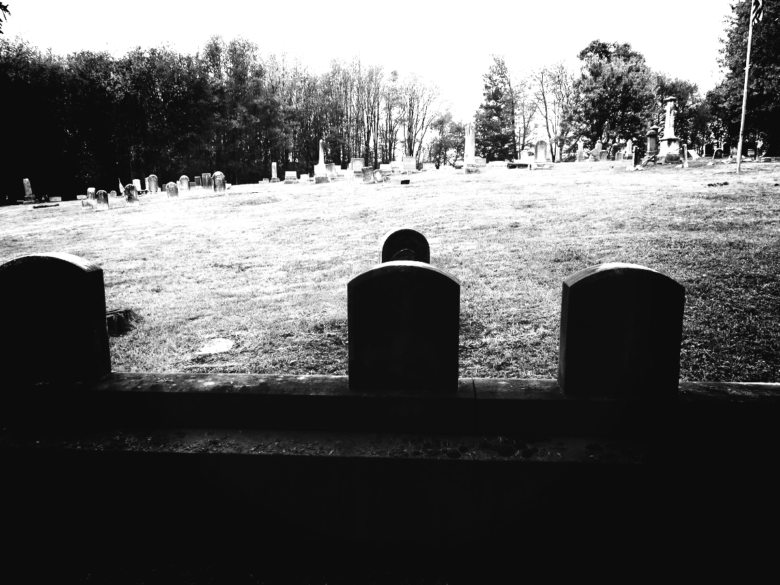
Most people will agree that the roads in Union Cemetery in Monaca are rough; in fact, they are not even roads. They are more like wagon trails that have sunk back into the earth from too much service and poor maintenance and have now been transformed into ravines that retain water and all other forms of congested filth that cascade down from the zigzagging hillsides that have composed the geography of this antique place. But the ‘trails’ have always made good and interesting walking. Have you not walked through the cemetery? If you have, then you know what I am writing about. The long slender ravines in the road that (sometimes a foot can get caught in) hold so much of the graveyard’s history; I have even seen tiny bits of stained white limestone morsels that have broken off of the graves and have slid into the sharp canyons of each road miraculously preserving and protecting each relic from a tire driving over the battered surface. There are many vestiges like this that are claimed throughout the broken cemetery. Crows and owls have claimed residency in the many trees and branches that dance with suspicion and fascination when the wind is waltzing with them. The tombstones and trees speak to one another when the conditions of nature are in question. Now, if you have been possessed with the ripest shade of audacity, then you have witnessed the ethereal nocturnes that take place at a certain time of the night. I am speaking of the Flowerman.
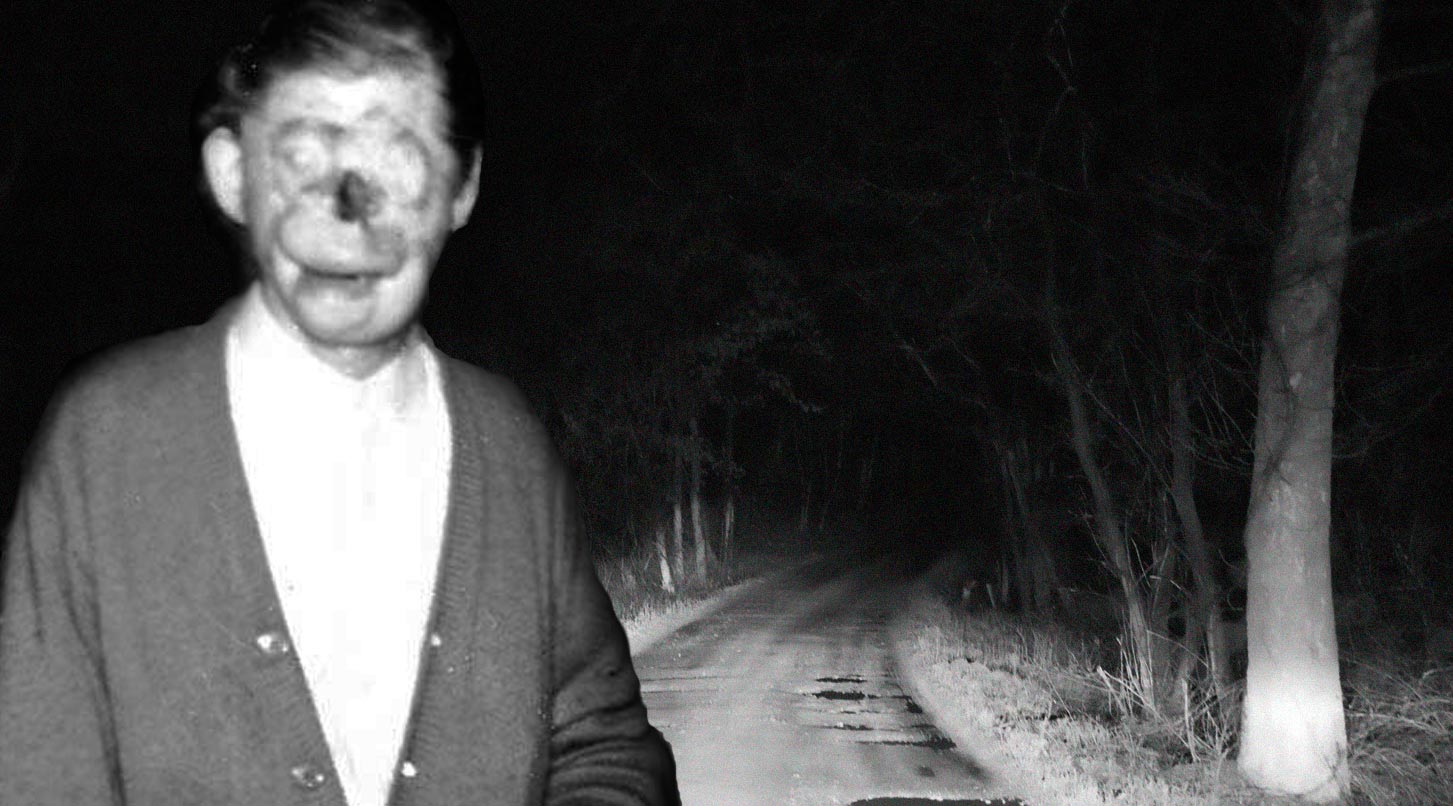
In tiny and selected circles of Monaca, there is a tale of a man who is seen walking with a bouquet of flowers of assorted kinds as he makes his way to Union Cemetery just before midnight. Each routine is the same, but with a slight illumination of etiquette. The man is witnessed going to a certain grave and placing flowers, always around midnight; no one knows who he is or where he lives, or the woman buried in the grave that he visits almost every night.
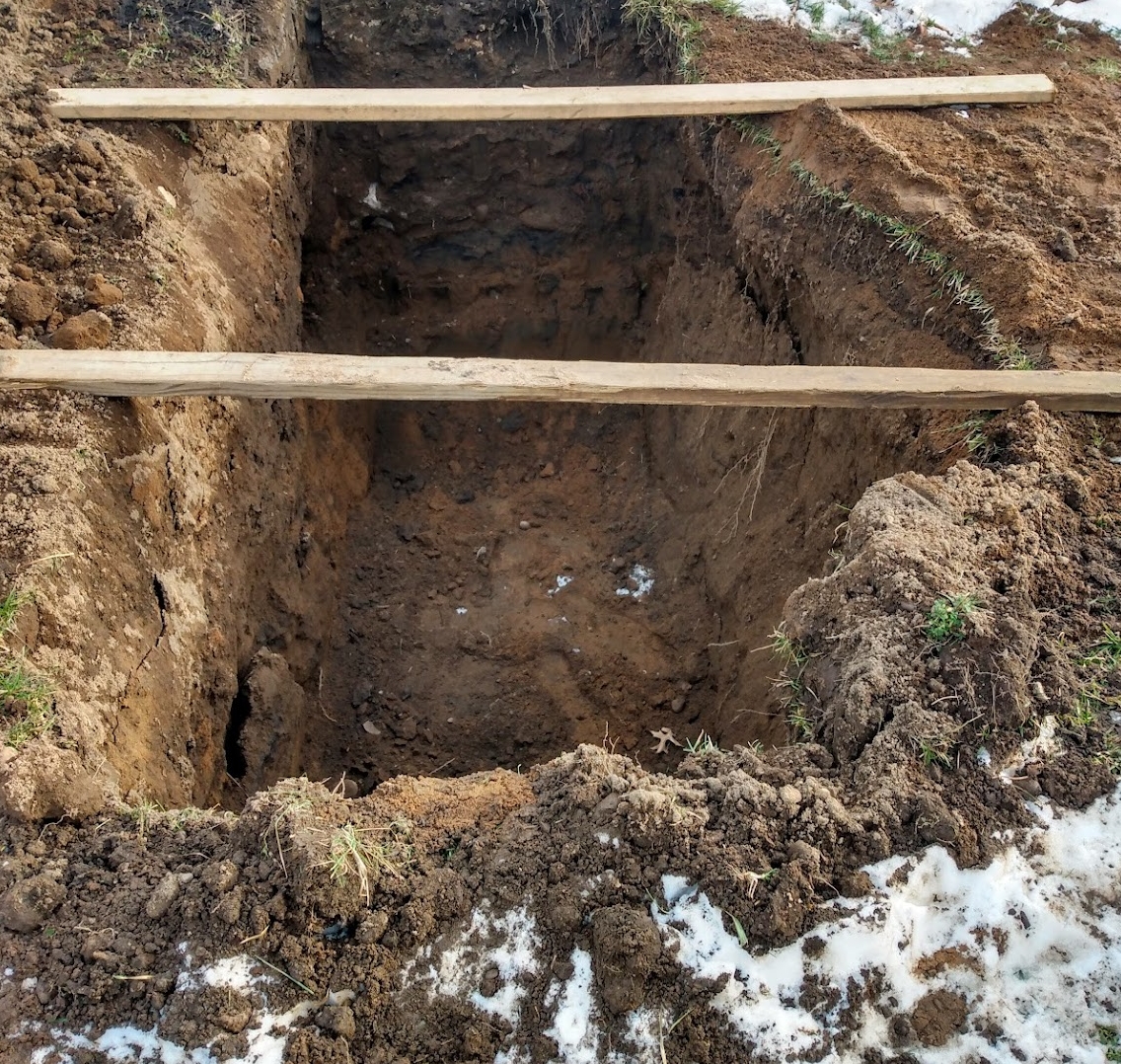
However, there is something creepier going on with this grave; each night, there are different flowers placed on the grave and no one knows who removes the old ones. On a particular night, a dozen blue roses will be placed; on a Sunday night, it could be an arrangement of purple petunias; on a Friday night, it could be a group of pink carnations. This is the progression of the nightly ritual. For each day of the week, flowers of all species and arrangements of all impressions are represented. The ritual never grows dull. But the sacrament grows theatrical with each passing night.
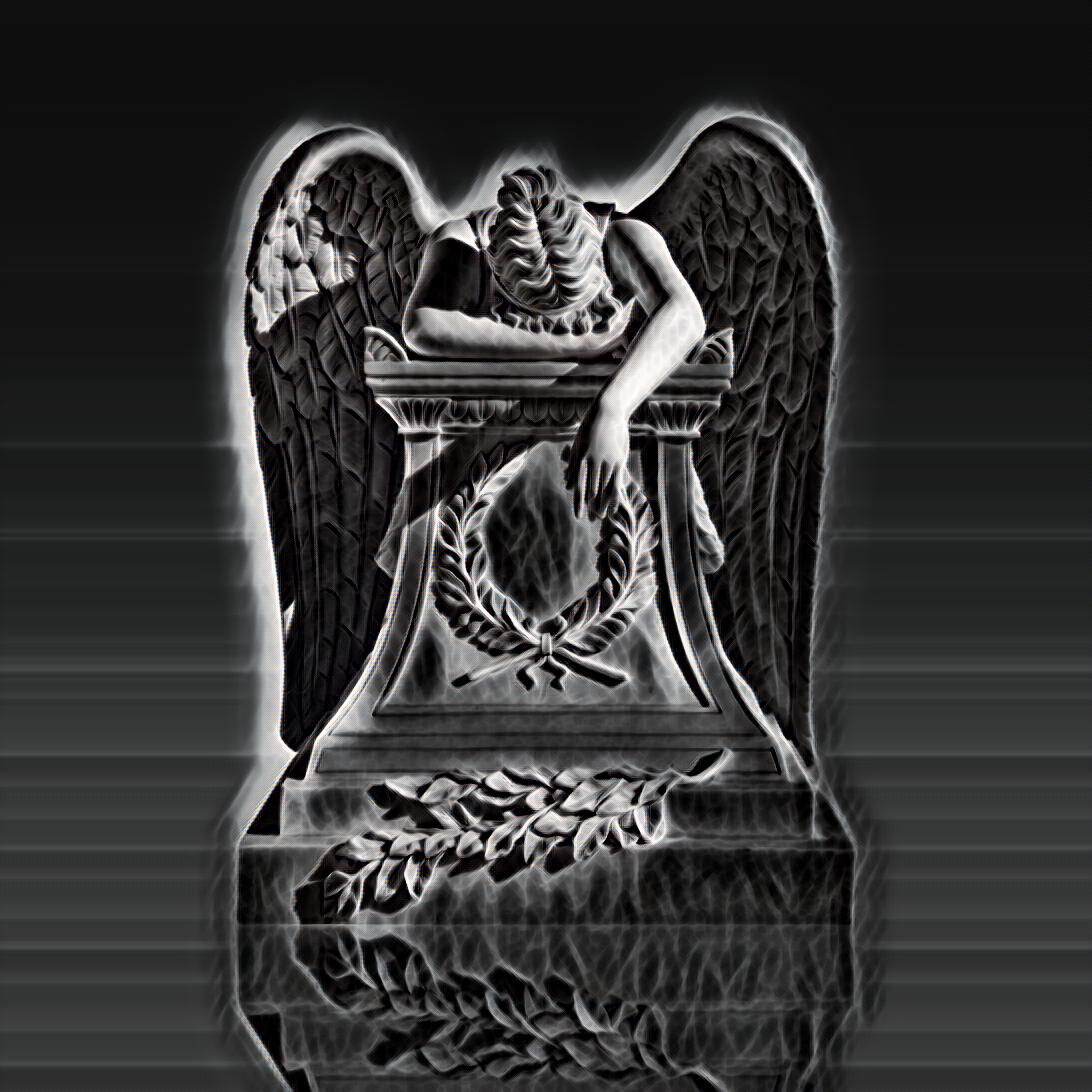
Certain nights, probably in honor of some mystical anniversary or tradition, candles of various colors accompany the arrangements of the flowers. Then, after he lights one, he begins chanting the verses of a lonely serenade that once stirred the embers in a pair of undying hearts where, now, one has been entombed beneath the silent earth. After his gloomy performance, a strange recitation takes place over the grave. He reads some verses from what appears to look like an antique piece of yellow paper, like papyrus; it is said that this was poetry he had written to her when she could breathe and laugh. He pauses for quite a long moment and stares at the name on her grave; he then buries his face in his soiled hands and weeps. It is almost like the howling of a dog which takes place for several minutes. He then uncovers his face and talks to the grave in some unknown language. No one ever knows what he says. No one is ever too near him to hear exactly what is said. He is sneaked up on and observed by the locals but is never disturbed. When he exits the grave, the curious onlookers who have braved sitting in the graveyard at night take a look of what has been left. Usually, the contents are the same. Flowers, a few candles, a card, a box of candy, or, on rare occasions, a photograph. A photograph!
This is a mysterious claim! According to one eyewitness, the photograph left at the grave is a pair of children, dressed in 19th century clothing. Was it her children? No one knows for sure, and no one has ever seen that photo again. It has long since disappeared, and so has the Flowerman. He was last seen walking Old Brodhead Road on a serene Christmas Eve in the late 1970’s; no one seems to recall the exact year. Perhaps, after a long period of incurable grief, the old man has finally been able to rest. However, it still provides no explanation for the strange appearances of candle light and mysterious sounds of singing that go on in Union Cemetery after the dark stroke of twelve midnight, or who continues to bequeath the woman’s grave with fresh flowers and tears almost each night of the year; gifts of remembrance are always left, but nobody’s ever seen anymore.

© 2025, markgrago. All rights reserved.